

19·
1 month agoCouldnt infiltrate them, coudlnt coop them so they call them terrorists

“The future ain’t what it used to be.”
-Yogi Berra
Couldnt infiltrate them, coudlnt coop them so they call them terrorists

Yeah I saw the potato/ tomato comment. If you just getting going and need quick-reward for time invested, you really can’t beat kale and mustard greens. You’ll get food you can eat fast, and it will be steady and continuous. You don’t need any special equipment like cages and you don’t need to wait a whole season for results.
Mustard greens and kale.

A creature with eyes made of shadows can never leave the cave.
Pinkerton was the only good Weezer album

Just remember folks. You can always just wear an n95 around. If any one asks just say you have ass covid.
Who would have EVER known…

I’d probably install it in that case. Like a dark mode.



Port was already in use?

Every accusation is a confession.
Sure, but its like, way, way way easier to scale a hydro system.
Yes, I agree. I’m just making the point that there isn’t just a lower limit to the scale for a system like this, but an upper limit too, where you would have been better off just building a dam.

I mean you are more than welcome to make that not the case. The git hub repo is right there. Fork it and make it your own.
Energy density has nothing to do with this.
No it absolutely does, and it matters because:
It’s the cost of how much pollution refining the rare earths and making batteries produces vs the amount of pollution associated with construction of a building with pulleys that move weights up and down.
If an entire building could be supplied with a few elevator shafts and some weights, because the energy density of the system is so high, it would be silly not to do so. But the energy density of these systems isn’t remotely close to that. Where as yes, a building absolutely can be built with batteries as a part of it to support its typical duty cycle.
Gravity is just not a particular energy dense form of storage. Its not really debatable. And like you said, building buildings comes with all kinds of other forms of pollution. Not to mention, we could be building them to house people, not pulleys and weights.
Its an idea that sounds good, but once you engage with it seriously, its limits become obvious. Pumped hydro will almost always make more sense. A big tank at the top and a big tank in the basement, and bam. Battery built. not to mention you’ve got a semi-permanent back up reservoir now built, which could help with flood control, drought tolerance, fire control, all kinds of other things. And you don’t need to build new buildings for this. They can go into/ on existing buildings.
Its a design choice that is central to how the infrastructure of the fediverse works.
And I disagree with your second statement.
That display is dependent on your view into the fediverse. If it was deleted on your instance, yes. If viewed from a different instance, not necessarily…



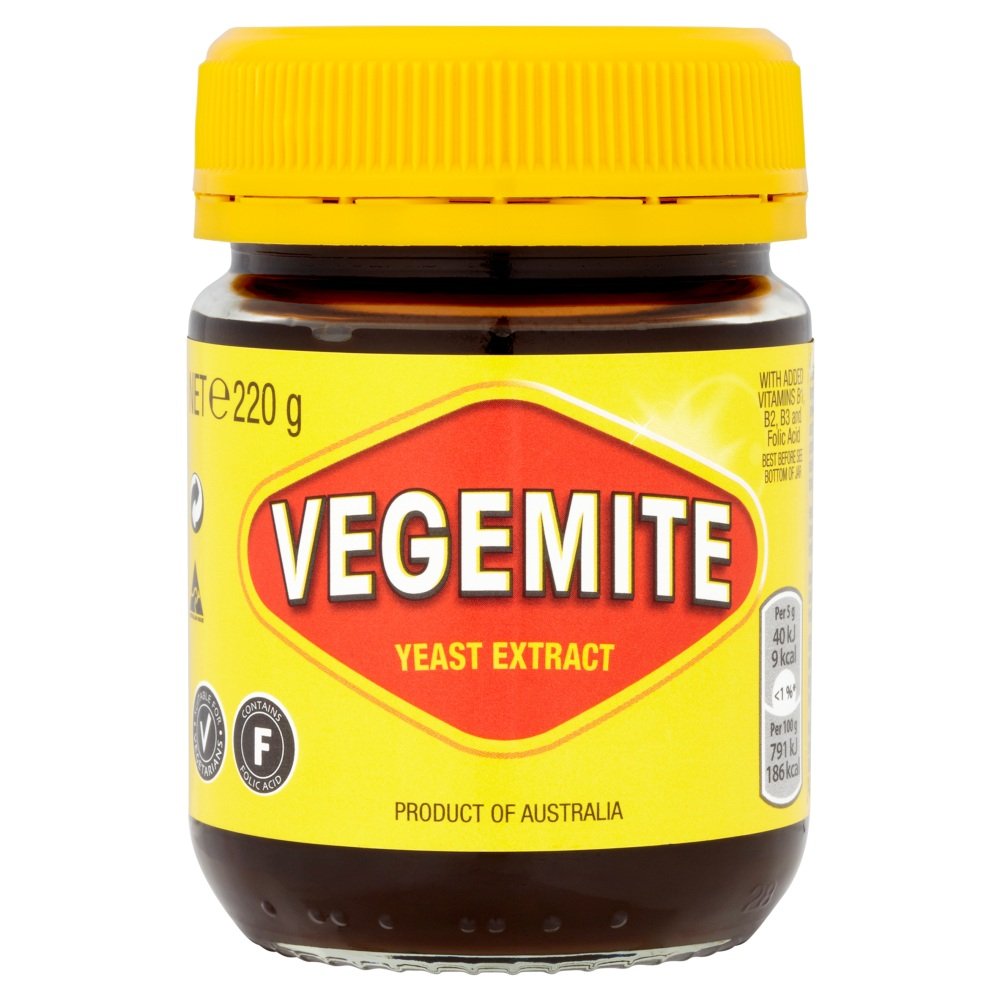
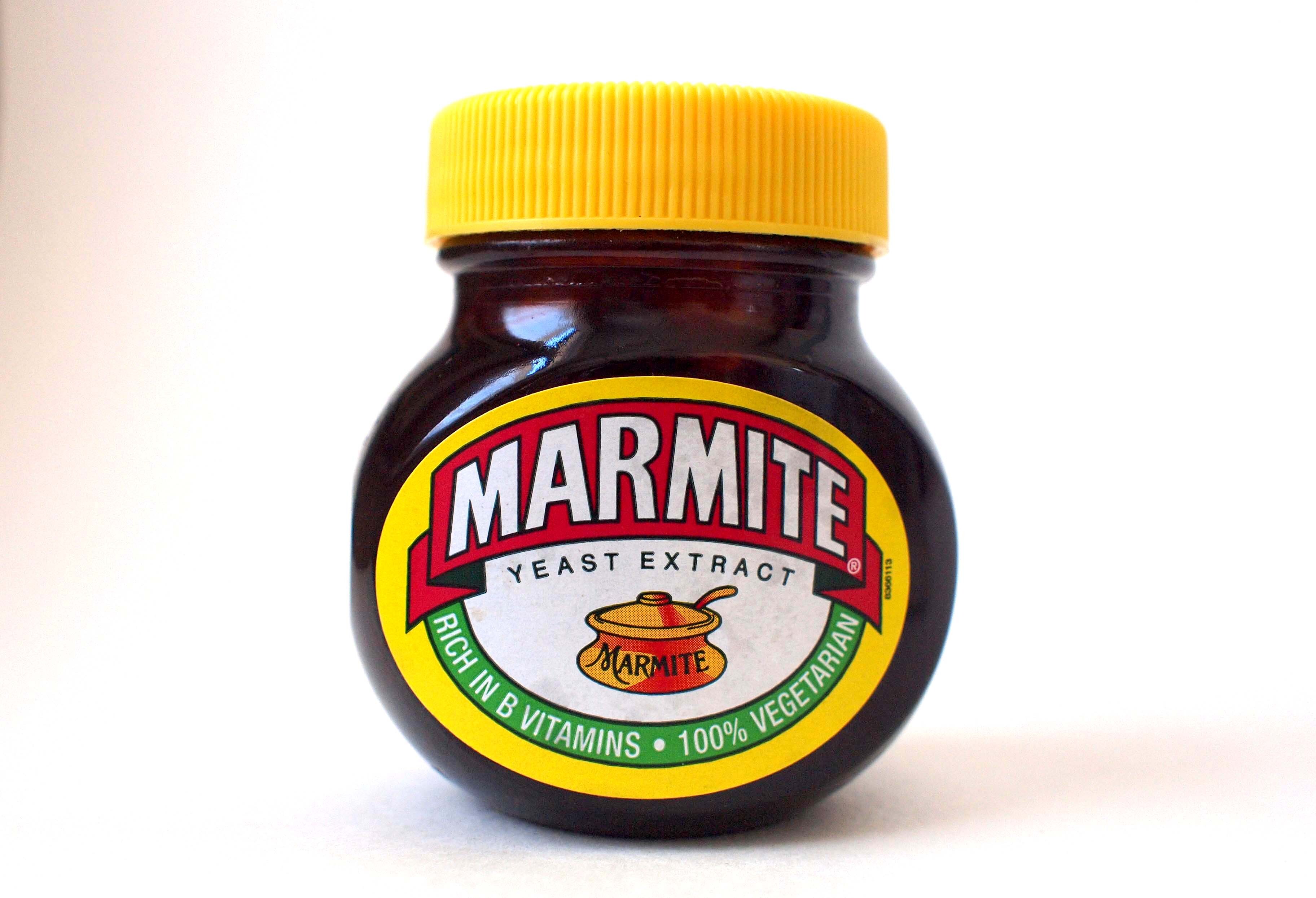

SEveral hundred of those are mine.