

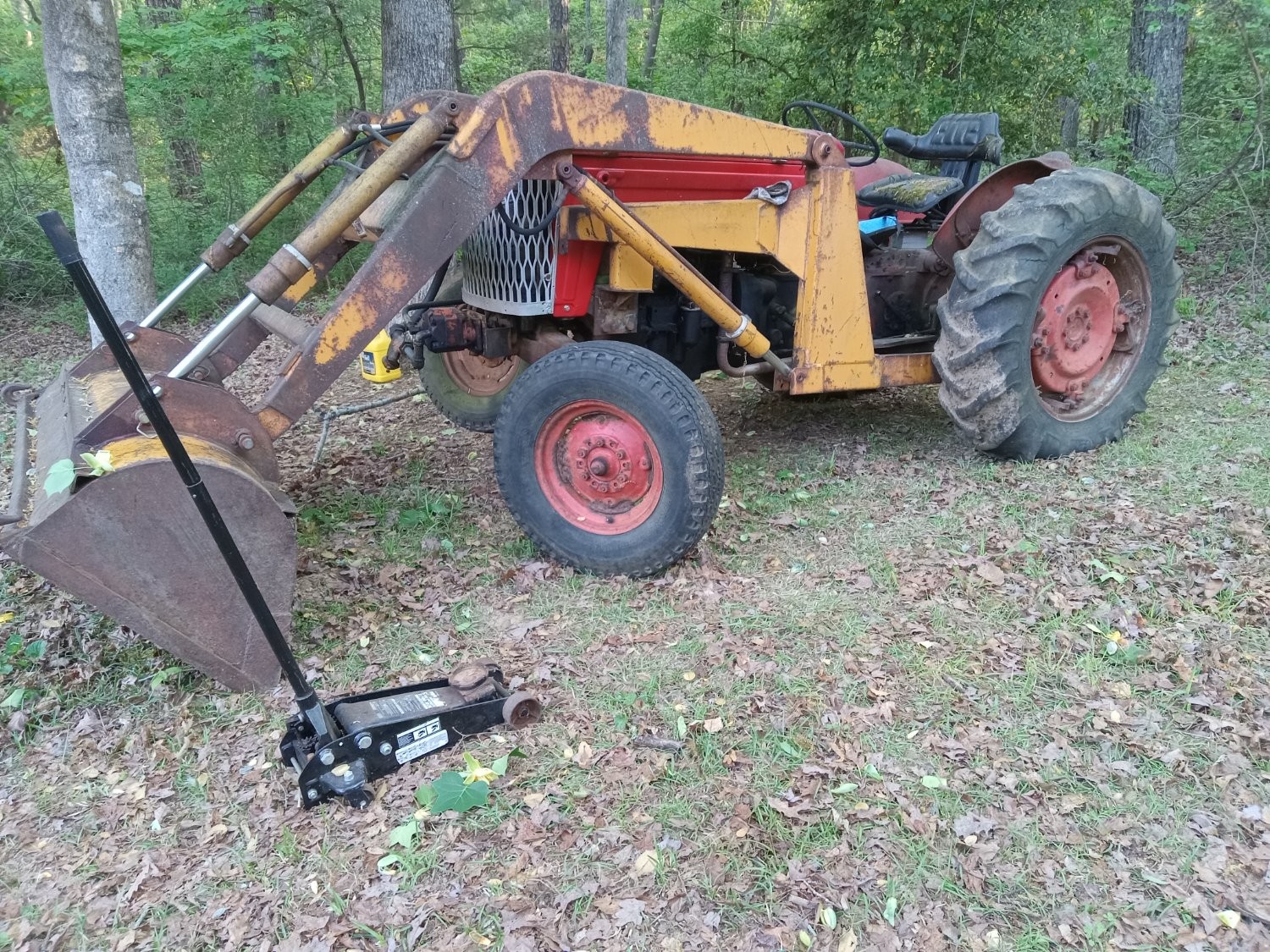
I spent two weeks getting this inherited Massey Ferguson running in order to dig up the front garden I have (also herited) in order to plant roses for my late mother’s memory.
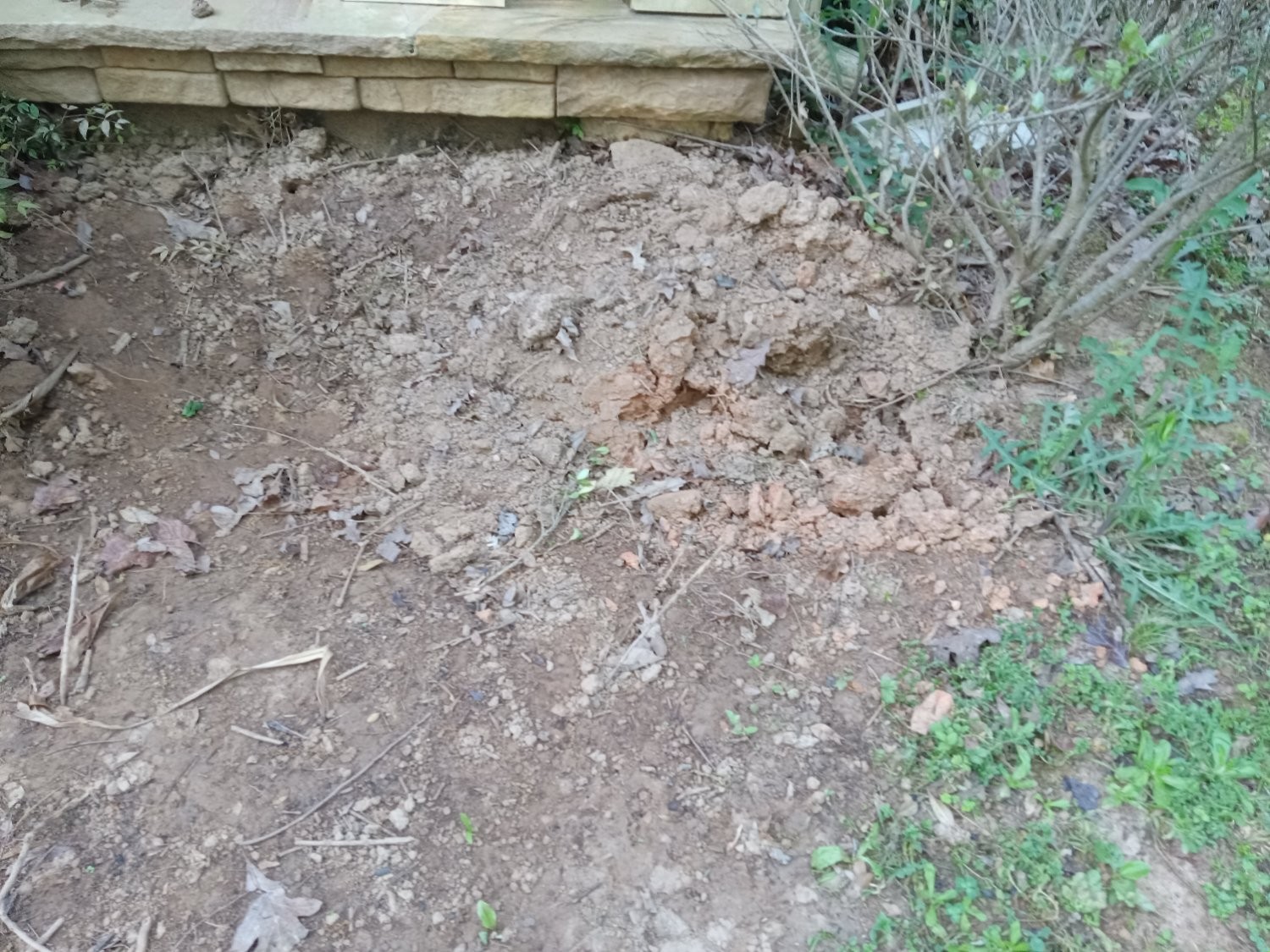
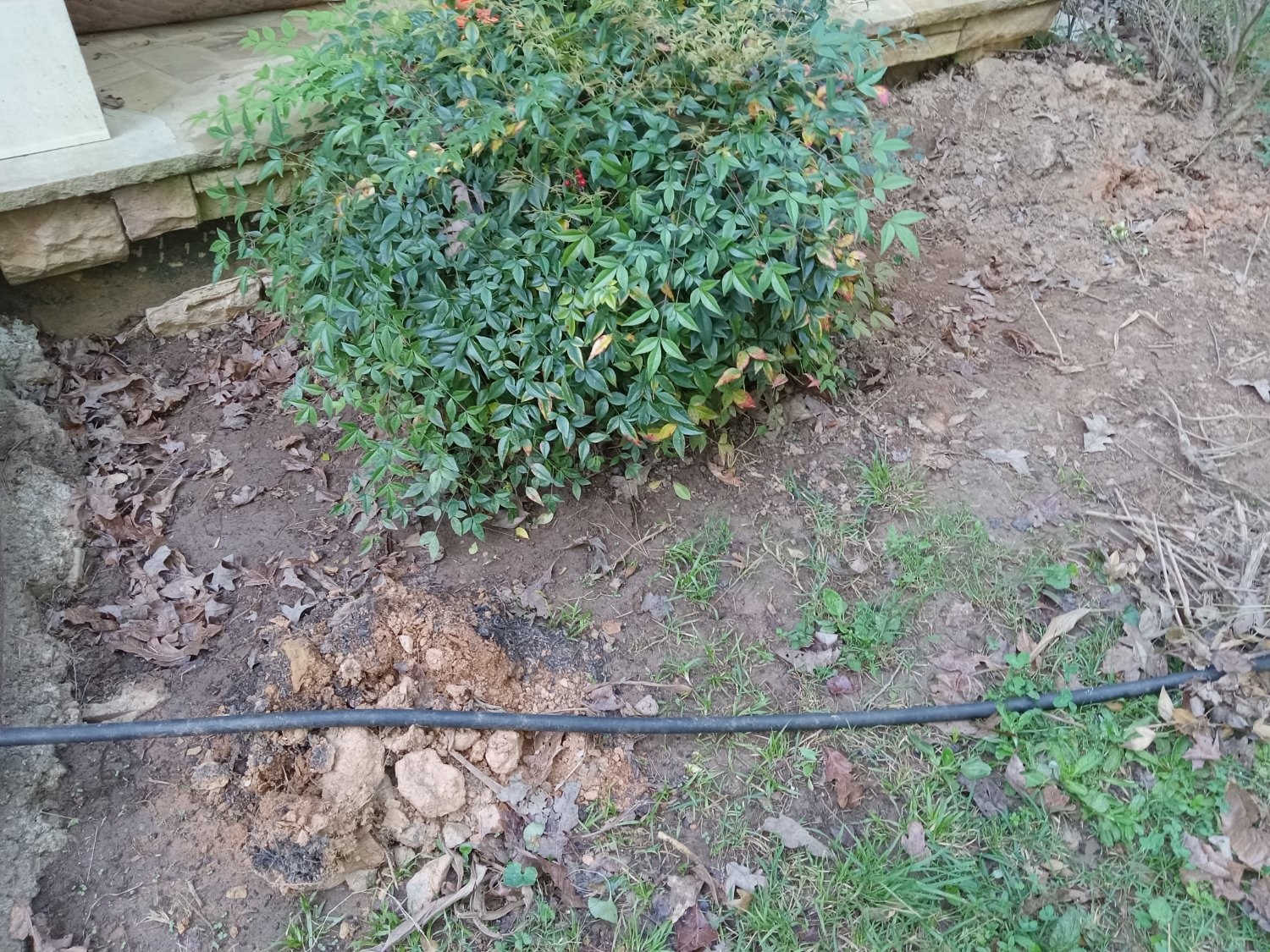


I spent two weeks getting this inherited Massey Ferguson running in order to dig up the front garden I have (also herited) in order to plant roses for my late mother’s memory.
If you want dull, the clutch is so broken that I have to stand on it to get it to move. Fixing it would apparently require splitting the tractor in half.and in the process draining all of the hydraulic fluid.
These older models are quite serviceable, so I’m surprised to hear that. lol
Did it weld shut together by being exposed to the elements? Do you know the model/year? Is it from the 60s?
Yes, from the 60s. Unsure of the exact model and year, but you can not get to the clutch without doing a bifurcation from what I can tell.
Yup. That’s the way things are when the engine block and transmission are the frame.
That is typical of older tractors, clutch requires splitting the tractor in half. It is still serviceable, only a few dozen bolts, but you need something strong (and safe) on wheels to hold up each half while you work in the middle. Not hard work at all, but it is not quick.
Still mostly the same for modern tractors, except a million more wires and and hoses.
I’ve done a dozen clutch jobs on older tractors with my dad.
In the size range most of us here would be looking at tractors are hydro and don’t have a clutch. There are pros and cons to hydro, but for the size of tractors shows hydro is almost always better. (loader work really wants the infinite variable speed)
That sounds pretty exciting.